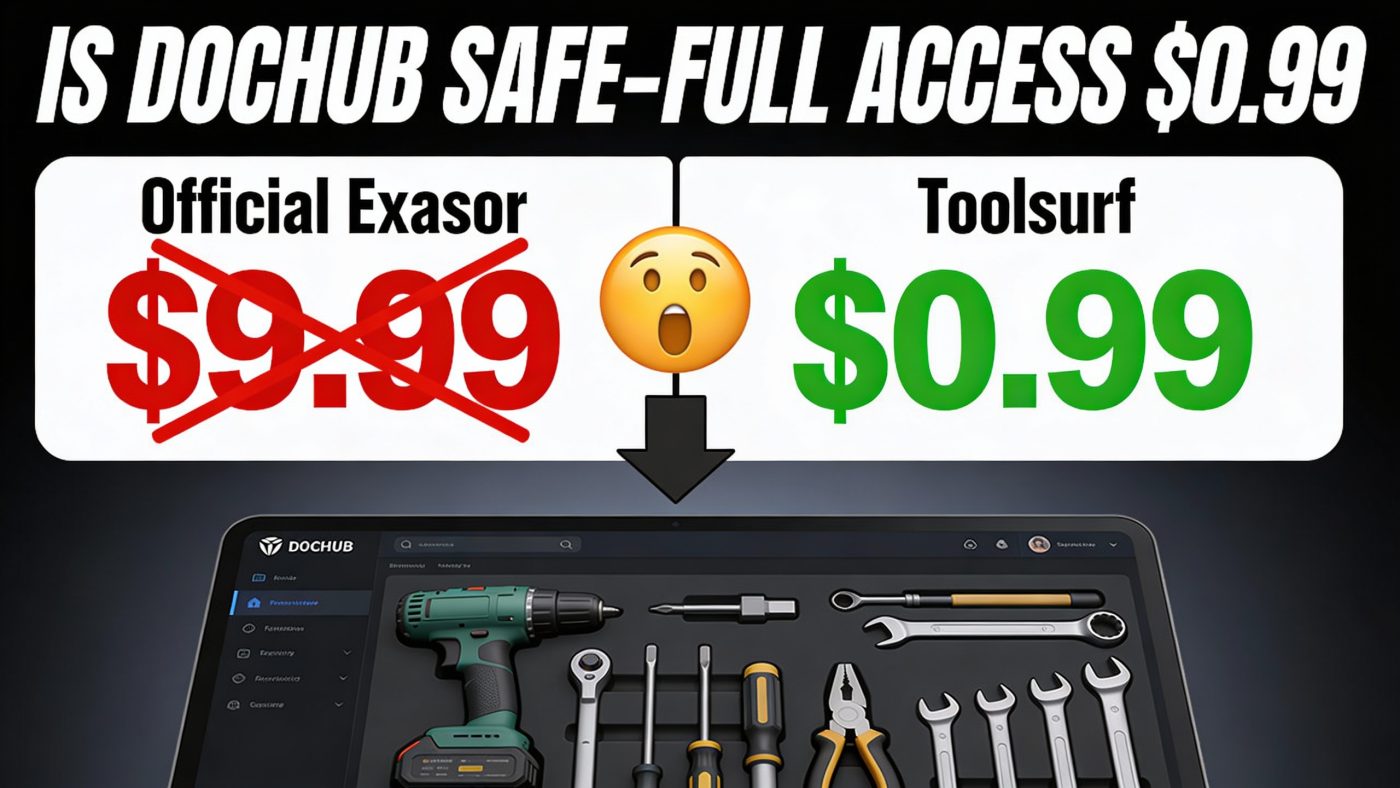
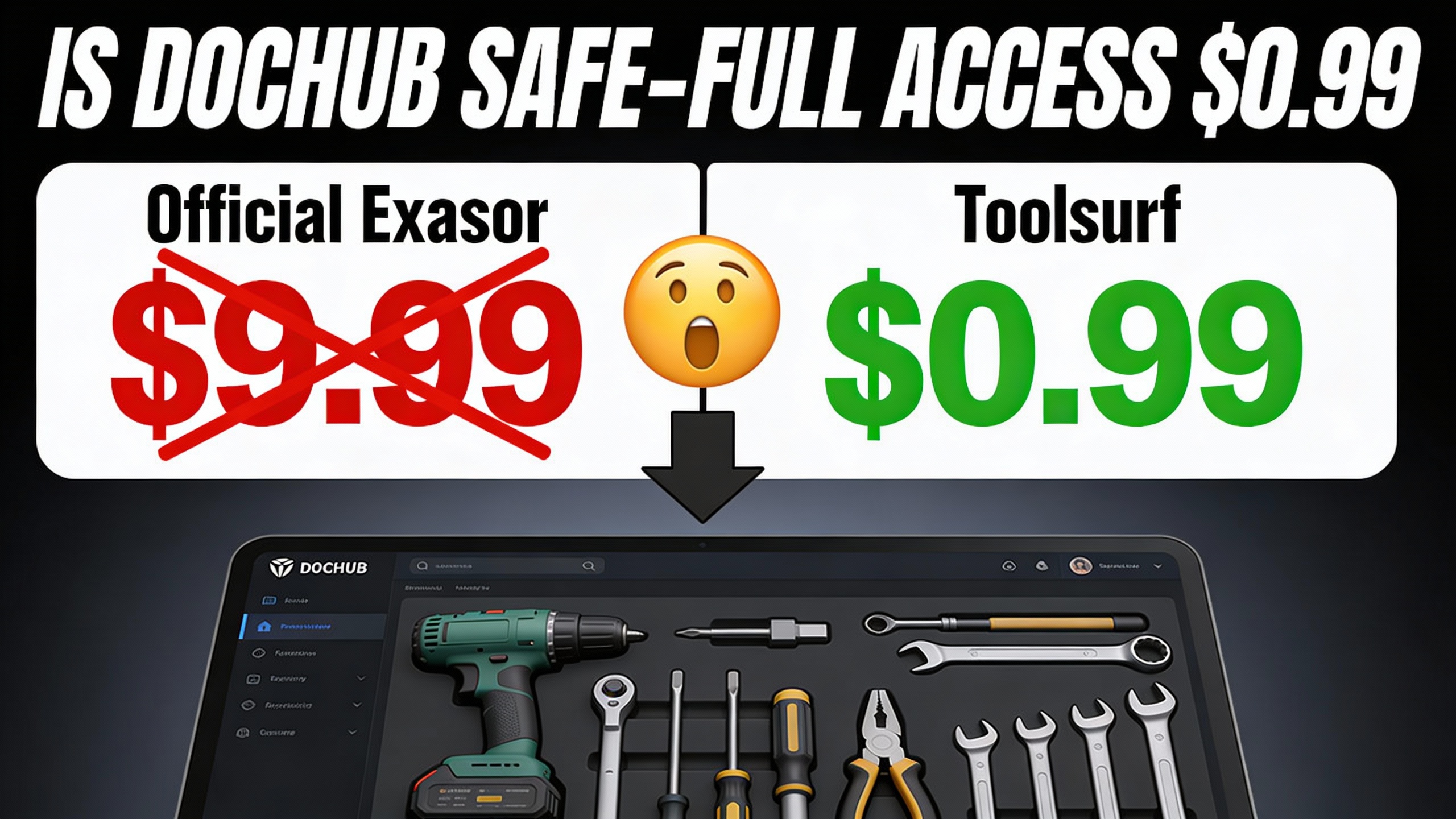
Is DocHub Safe Group Buy 2026: Premium Access for Just $0.99
Is DocHub Safe? Complete 2026 Security Review and Privacy Analysis
🔐 Security Verdict: Yes, DocHub is generally safe for
document editing and electronic signatures. The platform employs industry-standard encryption, maintains
HIPAA and SOC 2 compliance, and follows responsible data handling practices. However, understanding specific
security features helps you make informed decisions about sensitive document management.
When handling sensitive documents online—contracts, legal agreements, financial records, or personal
information—security concerns naturally arise. “Is DocHub safe?” represents one of the most
common questions from users considering this popular document management platform. Understanding DocHub’s
security measures, privacy practices, and compliance certifications helps you make informed decisions about
trusting it with your important files.
DocHub has grown to serve millions of users seeking convenient PDF editing, electronic signature collection, and
document workflow automation. As cloud-based document handling becomes increasingly standard for businesses and
individuals alike, scrutinizing the security credentials of platforms like DocHub becomes essential due
diligence.
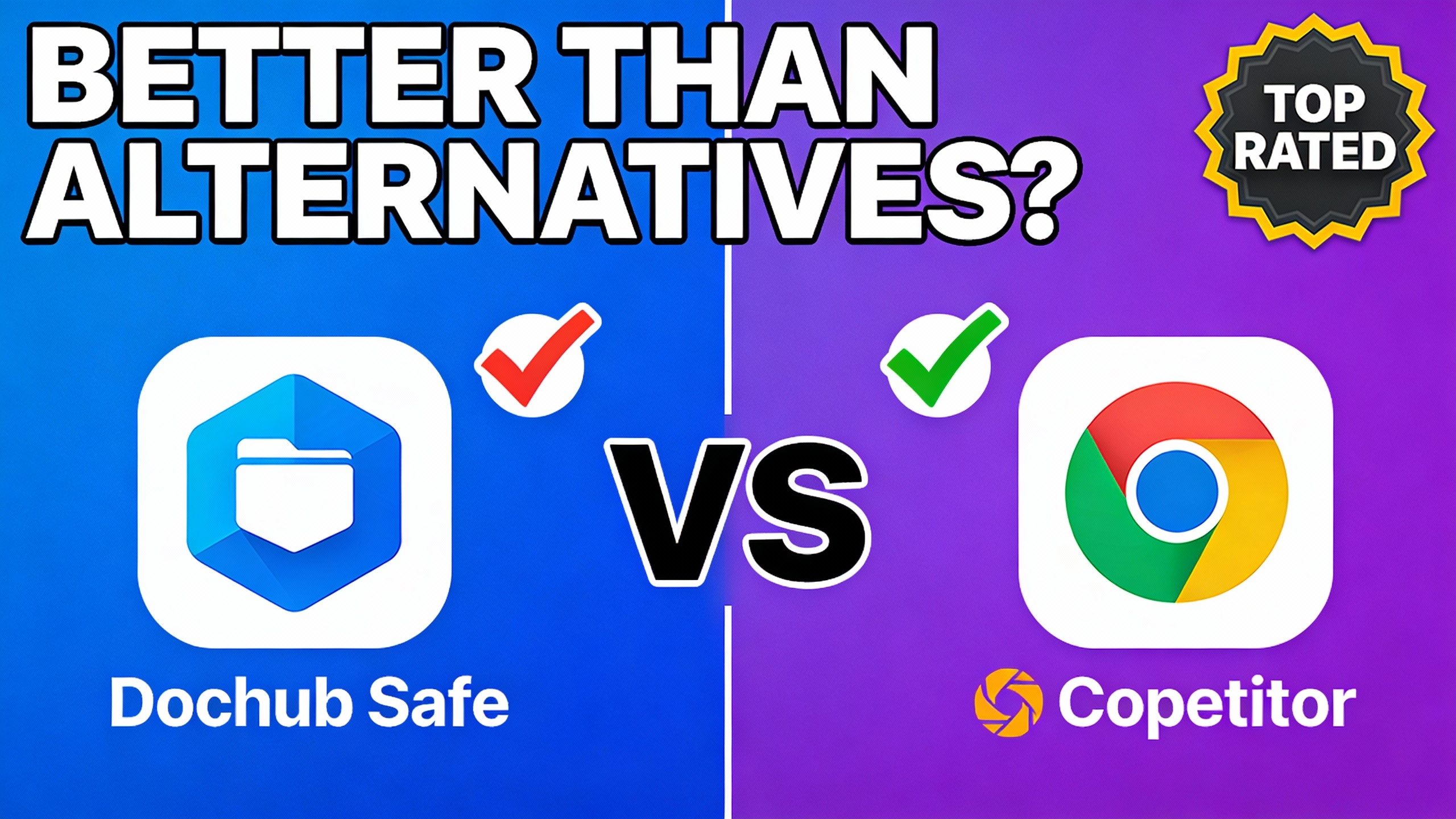
This comprehensive security review examines every aspect of DocHub’s safety: encryption standards, data storage
practices, privacy policies, compliance certifications, potential vulnerabilities, and how it compares to
alternatives. Whether you’re evaluating DocHub for personal use or enterprise deployment, you’ll find the
information needed to assess its security posture thoroughly.
Table of Contents
- What is DocHub?
- Encryption and Data Security
- Privacy Policy Analysis
- Compliance and Certifications
- Data Storage and Handling
- E-Signature Security and Legality
- Potential Vulnerabilities to Consider
- User Security Controls
- Safer Alternatives Comparison
- Best Practices for Secure Usage
- Frequently Asked Questions
What is DocHub?
DocHub is a cloud-based document management platform enabling users to edit PDFs, collect electronic signatures,
create fillable forms, and automate document workflows. The platform operates entirely in the browser, requiring
no software installation while providing accessibility across devices and operating systems.
Founded to simplify document handling for individuals and businesses, DocHub has grown into a comprehensive
solution used by millions for tasks ranging from simple PDF annotations to complex multi-party signature
collection. The platform integrates with popular services including Google Drive, Dropbox, OneDrive, and Gmail,
enabling seamless document management within existing workflows.
Core DocHub Features
Understanding DocHub’s functionality provides context for evaluating its security implications:
- PDF Editing: Modify text, images, and formatting in existing PDFs
- Electronic Signatures: Request and collect legally binding signatures
- Form Creation: Build fillable PDF forms with various field types
- Cloud Storage: Store documents within DocHub or connected cloud services
- Collaboration: Share documents with multiple users for review and editing
- Automation: Create templates and workflows for repetitive document processes
How to Buy Is Dochub Safe at an Affordable Price from Toolsurf.com
Getting access to premium tools like Is Dochub Safe doesn’t have to break the bank. Here’s how to get it through Toolsurf:
- Visit the Toolsurf Store: Go to tools.toolsurf.com/cart
- Search for the Product: Search for “Is Dochub Safe” and click on “Buy Now”
- Complete Your Purchase: Enter your details and complete the purchase process
That’s it! You’ll have access within minutes.
Why Choose Toolsurf to Buy Is Dochub Safe?
- 💰 Save Up to 99% on Premium Tools
- ⚡ Get Access in Under 2 Minutes
- 🔒 99.9% Uptime Guarantee
- 💸 24-Hour Money-Back Guarantee
- 🎧 Avg. 5-Minute Response Time for Support
👉 Get Is Dochub Safe at Toolsurf Now
Each feature introduces potential security considerations. Document editing requires the platform to process and
potentially store sensitive content. E-signatures involve identity verification and legal compliance. Cloud
storage introduces data residency and access control questions.
Encryption and Data Security
DocHub’s encryption implementation represents a primary security consideration for users evaluating platform
safety.
Data in Transit Encryption
DocHub uses TLS (Transport Layer Security) encryption for all data transmitted between users and their servers.
This industry-standard protocol protects documents and information during upload, download, and editing
sessions. TLS encryption prevents interception by third parties, ensuring documents remain confidential during
transmission.
The platform maintains current TLS versions and configurations, following security best practices that protect
against known vulnerabilities. Users can verify encryption is active through browser security indicators showing
HTTPS connections.
Data at Rest Encryption
Documents stored on DocHub servers receive AES-256 encryption—the same standard used by banks and government
agencies for sensitive information protection. This encryption ensures that even if storage systems were
compromised, encrypted data remains unreadable without proper decryption keys.
Encryption keys are managed separately from encrypted data, following security best practices that prevent
single-point-of-failure compromises. DocHub’s encryption architecture means that raw document files stored on
their infrastructure cannot be read without authorized access.
Infrastructure Security
DocHub operates on enterprise-grade cloud infrastructure with multiple security layers:
- Network Security: Firewalls, intrusion detection, and DDoS protection
- Physical Security: Data centers with controlled access, surveillance, and environmental
protections - Redundancy: Multiple data centers ensuring availability and disaster recovery
- Monitoring: Continuous security monitoring and threat detection
This infrastructure security provides foundational protection that individual users couldn’t achieve with local
document storage.
Privacy Policy Analysis
Understanding how DocHub handles user data reveals important privacy implications beyond technical security
measures.
Data Collection Practices
DocHub collects various data categories as outlined in their privacy policy:
- Account Information: Email, name, and authentication details
- Document Content: Files uploaded for editing and processing
- Usage Data: Platform interaction patterns and feature usage
- Device Information: Browser, operating system, and IP address
- Integration Data: Information from connected cloud services
Importantly, DocHub processes document content to provide editing and signature features—meaning they technically
have access to document contents during processing. However, their policy states they don’t use document content
for advertising or share it with third parties for marketing purposes.
Data Retention Policies
DocHub retains user data according to account status and applicable requirements:
- Active accounts: Data retained while account remains active
- Deleted accounts: Data removed according to retention schedules
- Legal requirements: Some data retained to meet legal obligations
- Backup systems: Data may persist in backups for disaster recovery
Users can delete documents from their accounts, though complete removal from all systems (including backups) may
take additional time. Understanding these retention realities helps set appropriate expectations.
Third-Party Sharing
DocHub’s privacy policy identifies scenarios where data may be shared:
- Service Providers: Third parties providing infrastructure and services
- Legal Requirements: Government requests and legal processes
- Business Transfers: Mergers, acquisitions, or asset sales
- User Consent: Sharing authorized by users for specific purposes
For most users, third-party sharing concerns center on service providers processing data on DocHub’s behalf.
These providers typically operate under data processing agreements limiting their use of received data.
Compliance and Certifications
DocHub maintains compliance certifications that validate their security practices meet recognized standards.
SOC 2 Type II Compliance
DocHub has achieved SOC 2 Type II certification, demonstrating that their systems and processes meet AICPA Trust
Service Criteria for security, availability, and confidentiality. SOC 2 audits examine controls over extended
periods, providing assurance that security practices operate effectively over time rather than just at a single
point.
SOC 2 compliance indicates that DocHub has implemented and maintains appropriate security controls covering
access management, data protection, incident response, and risk management.
HIPAA Compliance
For healthcare organizations, DocHub offers HIPAA-compliant plans that include required safeguards for protected
health information (PHI). This includes Business Associate Agreements (BAAs), enhanced access controls, and
audit logging required for healthcare compliance.
HIPAA compliance is only available on specific paid tiers—free users should not use DocHub for PHI handling.
Organizations requiring HIPAA compliance should verify they’re subscribed to appropriate plan levels.
GDPR Compliance
DocHub addresses GDPR requirements for European users through:
- Data processing agreements with appropriate clauses
- User rights implementation (access, deletion, portability)
- Consent mechanisms for data processing
- Privacy documentation meeting transparency requirements
European users benefit from GDPR’s robust privacy framework, with DocHub providing tools to exercise data subject
rights.
ESIGN Act and UETA Compliance
DocHub’s electronic signature features comply with the ESIGN Act (federal) and UETA (state-level) requirements
that establish electronic signature validity. This legal compliance ensures signatures collected through DocHub
hold equivalent legal weight to traditional wet ink signatures for most purposes.
Data Storage and Handling
Understanding where and how DocHub stores data helps evaluate jurisdiction and access implications.
Data Center Locations
DocHub primarily uses cloud infrastructure in the United States, with data processing occurring in U.S.-based
data centers. This means document data is stored under U.S. jurisdiction, subject to American laws regarding
data access and disclosure.
For organizations with data residency requirements mandating storage in specific jurisdictions, this U.S.-centric
storage model may present compliance challenges. Consulting legal counsel about specific jurisdictional
requirements helps determine appropriateness.
Integration Data Handling
When connected to cloud services like Google Drive or Dropbox, DocHub accesses documents through API permissions
rather than copying all files to their servers. Documents remain in original cloud storage locations until
actively opened for editing in DocHub.
During editing sessions, documents are processed on DocHub servers to enable editing functionality. Understanding
this distinction clarifies when documents move outside original storage locations.
Document Processing
DocHub necessarily processes document contents to provide editing capabilities. This means their systems parse
PDFs, render content, apply modifications, and regenerate output files. While necessary for functionality, this
processing means DocHub systems technically “see” document contents during editing.
For extremely sensitive documents, this processing might exceed acceptable risk thresholds—though the same
consideration applies to any cloud-based document editor.
E-Signature Security and Legality
Electronic signatures represent a primary DocHub use case, warranting specific security examination.
Signature Authentication
DocHub implements multiple authentication layers for e-signature workflows:
- Email Verification: Signers receive documents through verified email addresses
- Unique Links: Each signature request generates unique, unguessable URLs
- Access Codes: Optional additional PINs for signer verification
- Signer Identity: Name and email captured with signatures
These authentication measures establish signer identity, supporting the legal validity of collected signatures.
Audit Trails
DocHub maintains comprehensive audit trails documenting signature events:
- Timestamp of each action (send, view, sign)
- IP address of participants
- Signer identification information
- Document version history
These audit trails provide evidence supporting signature validity if questions arise later. Courts have accepted
properly documented electronic signatures as valid evidence.
Legal Recognition
DocHub signatures meet requirements for legal recognition under applicable electronic signature laws. For most
business transactions, contracts, and agreements, DocHub-collected signatures hold equivalent validity to
traditional signatures.
Certain document types—some real estate transactions, wills, court filings—may still require traditional
signatures depending on jurisdiction. Consulting legal counsel about specific document requirements ensures
appropriate signature method selection.
Potential Vulnerabilities to Consider
Despite robust security measures, users should understand potential vulnerability areas and limitations.
User Account Security
DocHub’s security depends significantly on user account protection. Weak passwords, password reuse, or lack of
two-factor authentication create vulnerability regardless of platform security measures. Compromised credentials
provide attackers full access to stored documents.
Shared Link Exposure
Documents shared via links could be accessed by unintended recipients if links are forwarded or intercepted.
While DocHub offers password protection for shared documents, not all users enable these protections
consistently.
Integration Permissions
Connecting DocHub to cloud storage services grants access permissions that persist until revoked. Forgotten
integrations could maintain access to documents even after users stop actively using DocHub.
Third-Party Dependencies
DocHub relies on cloud infrastructure providers, meaning their security ultimately depends partly on provider
security. While major cloud providers maintain excellent security, supply chain dependencies introduce risk
factors outside DocHub’s direct control.
Regulatory Uncertainty
Evolving privacy regulations could change data handling requirements. International users face particular
uncertainty as regulations develop across different jurisdictions.
User Security Controls
DocHub provides various security controls enabling users to enhance their protection.
Two-Factor Authentication
Enabling two-factor authentication adds significant account protection beyond passwords alone. DocHub supports
authenticator apps and other 2FA methods that prevent unauthorized access even if passwords are compromised.
Password Protection for Shared Documents
Shared documents can be protected with passwords, ensuring that link access alone doesn’t grant document viewing.
This control proves essential for documents containing sensitive information.
Access Controls
Team and enterprise plans offer granular access controls determining who can view, edit, or share specific
documents. Proper access control configuration limits exposure according to need-to-know principles.
Session Management
Users can review active sessions and sign out devices remotely, enabling quick response to suspected unauthorized
access. Regular session auditing helps maintain account security.
Safer Alternatives Comparison
For users with heightened security requirements, evaluating alternatives helps identify optimal solutions.
Adobe Acrobat Sign
Adobe’s document platform offers similar functionality with Adobe’s enterprise-grade security infrastructure.
Higher pricing reflects enterprise positioning, though security implementations are robust. Adobe’s scale
provides resources for extensive security investment.
DocuSign
DocuSign specializes in electronic signatures with industry-leading security certifications and compliance
coverage. For organizations prioritizing signature security above all else, DocuSign’s focused approach may
provide advantages.
PandaDoc
PandaDoc combines document editing with proposal and contract management, offering security features comparable
to DocHub. The platform suits sales teams needing document workflow automation with appropriate security
measures.
Self-Hosted Solutions
Organizations with extreme security requirements might consider self-hosted document editing solutions. While
eliminating third-party access concerns, self-hosting introduces infrastructure security responsibilities that
many organizations lack resources to manage properly.
Toolsurf Access to Premium Tools
For users seeking access to multiple document and productivity tools affordably, Toolsurf’s group buy access
provides premium tool access at $0.99/month. This includes various document management solutions, allowing
experimentation with alternatives to find optimal security/functionality balance.
Best Practices for Secure DocHub Usage
Maximizing DocHub security requires following established best practices.
Account Security
- Use strong, unique passwords for DocHub accounts
- Enable two-factor authentication immediately
- Review connected integrations periodically
- Monitor active sessions for unauthorized access
Document Handling
- Avoid storing highly sensitive documents longer than necessary
- Password-protect shared documents containing sensitive information
- Review sharing permissions before sending documents
- Delete documents from DocHub when no longer needed
Organizational Controls
- Implement access controls limiting document visibility appropriately
- Train team members on secure document handling practices
- Establish policies governing acceptable document types for cloud processing
- Conduct periodic security reviews of DocHub usage patterns
Frequently Asked Questions
Is DocHub safe for legal documents?
DocHub is generally safe for legal documents, with e-signatures meeting requirements under ESIGN Act and UETA.
The platform’s security measures and audit trails support legal validity. However, certain documents may have
specific requirements—consult legal counsel for high-stakes transactions.
Can DocHub employees see my documents?
While DocHub’s security measures restrict access, documents are processed on their servers where employee access
is technically possible, though controlled by policies and access restrictions. For maximum confidentiality,
consider this inherent cloud processing characteristic.
Is DocHub safe for HIPAA documents?
DocHub offers HIPAA-compliant plans with appropriate safeguards for protected health information. Free plans are
NOT HIPAA compliant—healthcare organizations must use designated HIPAA-compliant tiers with Business Associate
Agreements.
Has DocHub been hacked?
As of 2026, there are no known public breaches involving DocHub user data. The platform maintains security
measures and monitoring to prevent and detect potential breaches.
Is DocHub safer than email attachments?
DocHub offers advantages over email attachments including encryption, access controls, and audit trails that
standard email lacks. For document sharing, DocHub’s controlled access often provides better security than
distributing copies via email.
Can I use DocHub for financial documents?
DocHub can process financial documents with appropriate security features. For highly sensitive financial
information, evaluate whether cloud processing aligns with your risk tolerance and any applicable compliance
requirements.
Conclusion: Is DocHub Safe for Your Needs?
DocHub implements industry-standard security measures that make it appropriately safe for most document
management use cases. Encryption, compliance certifications, and security controls provide reasonable protection
for typical business and personal documents.
However, “safe” depends on context. DocHub’s security suffices for general business documents, contracts, and
most signature workflows. Organizations with extreme confidentiality requirements or specific compliance
mandates should carefully evaluate whether cloud-based processing aligns with their needs.
For most users evaluating “is DocHub safe,” the answer is yes—with appropriate usage patterns and security
control enablement. Enable two-factor authentication, protect shared documents with passwords, and apply
reasonable judgment about which documents to process through any cloud service.
The platform’s combination of functionality, accessibility, and security makes it a practical choice for document
management needs, particularly when accessed affordably through group buy services like Toolsurf at $0.99/month
for premium tool access.
Related Products & Resources
- Shutterstock Private Account
- Picmonkey Group Buy
- Animoto Group Buy
- Piktochart Group Buy
- Magisto Group Buy